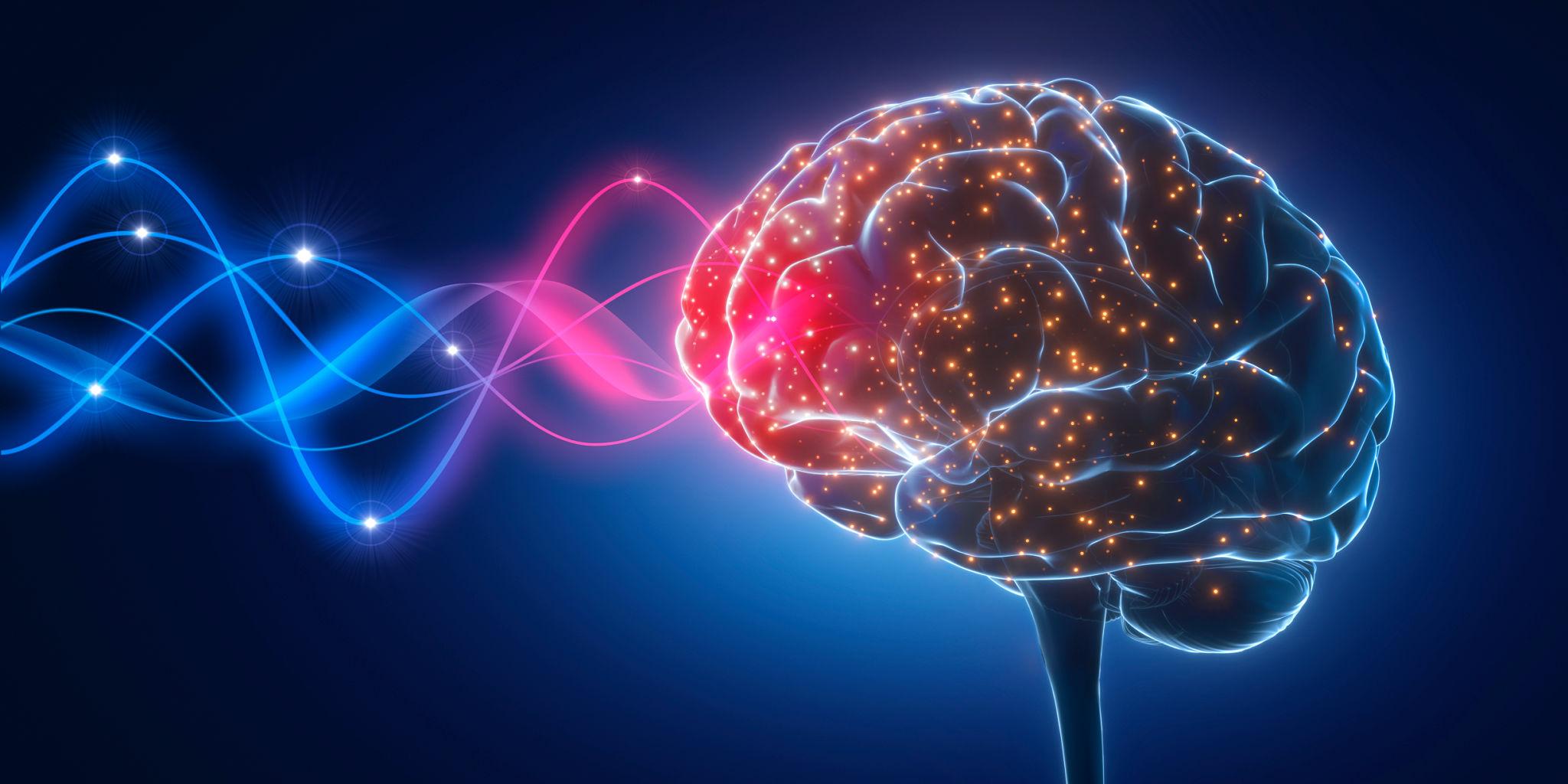
Most people think hearing loss is simply a problem with the ears.
In reality, hearing loss and brain health are deeply connected.
And more importantly, untreated hearing loss can have a significant impact on how we think, process information, and age over time.
Hearing Is a Brain Process, Not Just an Ear Problem
Hearing is not just about detecting sound. It is about understanding it.
Your ears pick up sound, but your brain interprets it. It filters background noise, recognises speech, and allows you to follow conversations effortlessly.
When hearing loss begins, even in the early stages, the brain must work harder to make sense of what it is hearing.
This is why many people experience difficulty hearing in background noise, even when they feel they can still hear in quiet environments.
How Hearing Loss Affects the Brain
Research continues to show a strong link between hearing loss and cognitive decline.
When hearing loss is left untreated, the brain is affected in several key ways.
1. Increased Cognitive Load
When sound is unclear, the brain has to fill in the missing pieces.
This increased effort places strain on memory, attention, and processing speed.
Many people describe this as mental fatigue, especially after social interactions.
This is one of the earliest and most overlooked effects of untreated hearing loss.
2. Reduced Brain Stimulation
The brain relies on consistent input to stay active.
With untreated hearing loss, parts of the brain receive less stimulation. Over time, this can lead to reduced efficiency in those areas.
This is why hearing loss and memory are often closely linked.
3. Social Disconnection
One of the most significant impacts of hearing loss is reduced social engagement.
If conversations become difficult, people often begin to withdraw from social settings.
You may notice:
This reduced engagement is strongly associated with hearing and dementia risk, as social interaction plays a critical role in maintaining cognitive health.

Hearing Loss and Ageing
As we age, maintaining cognitive health becomes essential.
Hearing loss and the ageing brain are closely connected, yet many people dismiss early signs as a normal part of getting older.
Common signs of hearing loss in adults include:
If you have ever wondered what happens if hearing loss is untreated, the answer is that the brain continues to work harder, while receiving less meaningful stimulation.
Does Hearing Loss Cause Dementia
This is one of the most common questions people ask.
Hearing loss does not directly cause dementia, but it is one of the largest modifiable risk factors for cognitive decline.
The connection lies in three key areas:
The good news is that this risk can be addressed.
How to Protect Your Brain and Maintain Cognitive Health
The goal of hearing care is not just to improve hearing. It is to support long term brain health and healthy ageing.
1. Early Hearing Assessment
If you are experiencing signs of hearing loss in Melbourne, a comprehensive hearing test can identify changes early and help protect your cognitive health.
2. Evidence Based Audiology Care
Seeing an experienced audiologist in Melbourne ensures that your hearing is assessed thoroughly, including how you perform in real world listening situations.
This is essential for understanding how your hearing impacts your daily life.
3. Properly Fitted Hearing Aids
Modern hearing aids do more than amplify sound.
When fitted correctly, they:
This is why hearing loss treatment in Melbourne should always focus on outcomes, not just devices.
4. Ongoing Support and Optimisation
Hearing and the brain adapt over time.
Ongoing care ensures your hearing continues to support cognitive function, communication, and quality of life.
The Bigger Picture
Hearing well is not just about volume.
It is about staying connected, engaged, and mentally sharp.
It is about maintaining independence and continuing to participate fully in life.
This is what healthy ageing truly looks like.
A Final Thought
You often do not realise what you are missing until it is restored.
And when it is, the difference is not just in what you hear.
It is in how you think, how you connect, and how you experience the world around you.
If you or someone close to you is experiencing hearing changes, the first step is simple.
Start with a conversation.
Because better hearing is not just about your ears.
It is about your brain, your connection, and your future.




.png)


